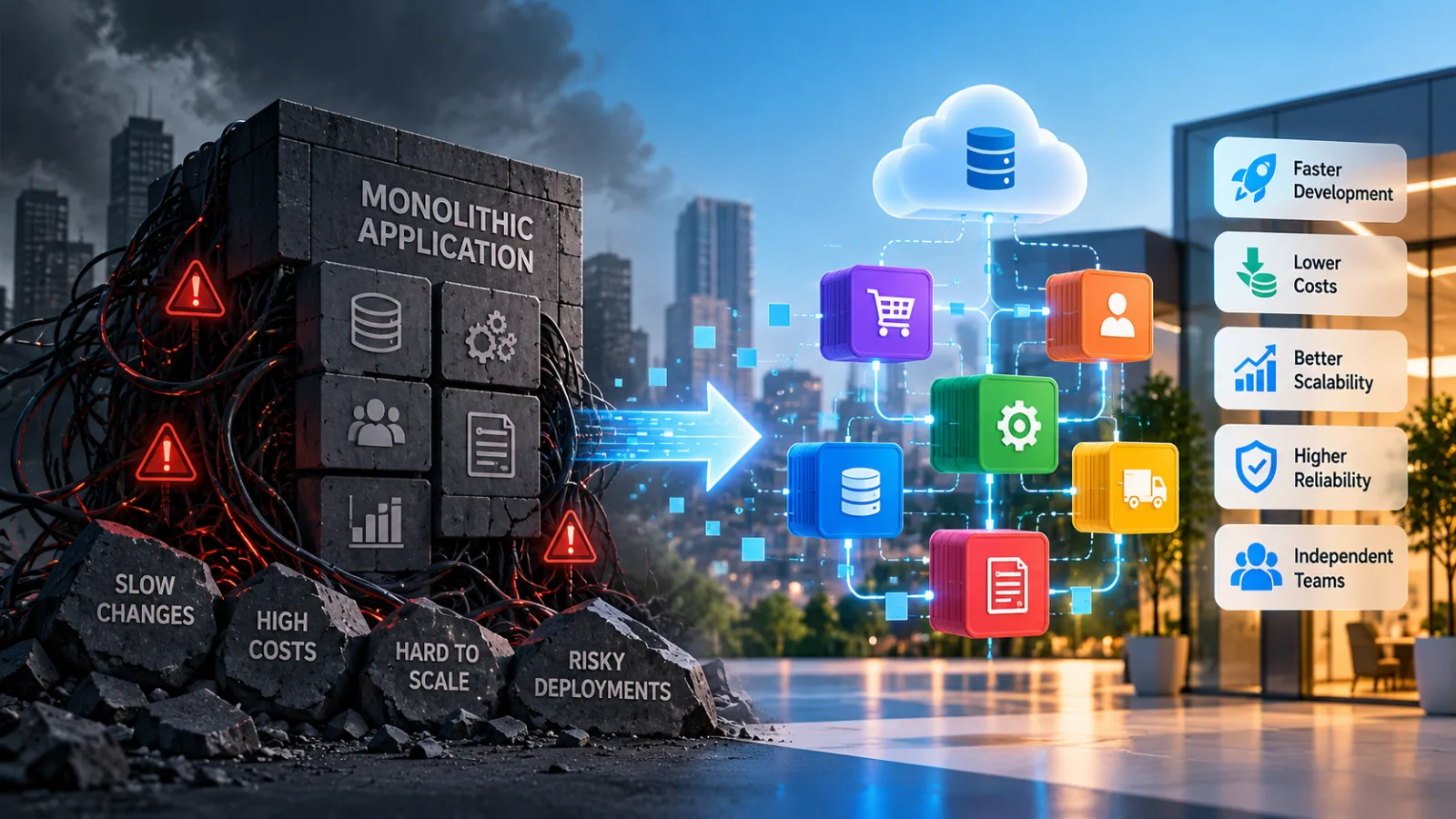



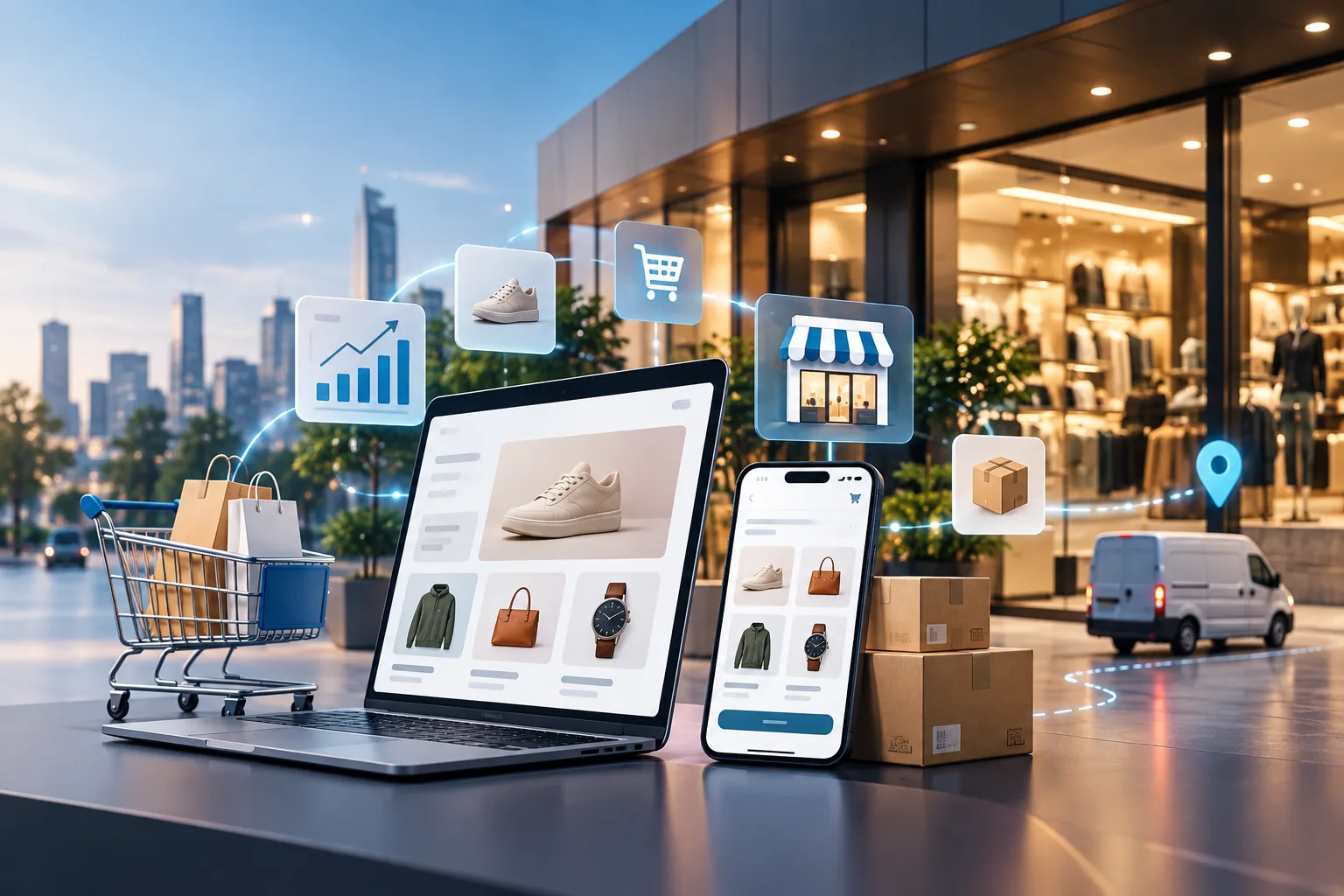
As technology moves faster and shopping habits keep changing, a store's success no longer depends on its physical branches alone. It depends on reaching customers wherever they are and giving them an easy, flexible way to shop that fits how they live.
Customers now use their phones and the internet to find products, compare prices and decide what to buy. That makes an online store and a shopping app a strategic step: they help a business reach further, sell more and compete better.
This does not mean giving up the branches. It means building one connected sales system that combines the strengths of physical stores with the reach of e-commerce.
1. Reach more customers
A traditional store mostly serves the people who live nearby. A website and a mobile app reach customers in other areas and cities, without opening a new branch in each one.
Selling online also lets you show your products around the clock and take orders outside opening hours, which opens new room to grow revenue.
2. Make shopping easier and more flexible
Customers expect to browse products, check prices, details and current offers on their phones, without visiting the store every time they want to buy.
A website and a smart app give them a complete shopping experience:
- Browse products and categories easily.
- See photos, specifications and prices.
- Search for products and compare them.
- Place orders online.
- Choose home delivery or in-store pickup, depending on the services offered.
- Track the order and receive notifications and updates.
The easier and clearer the buying journey, the more orders get completed and the more satisfied and loyal customers become.
3. Connect your branches and your online store
One of the biggest advantages of selling online is that it does not compete with in-store sales; it can strengthen them.
A customer can browse in the app, then visit a branch to see the product and collect it. Or they can discover products in the store and later reorder them on the website without another trip.
With the right systems, a business can connect its sales channels and manage stock, orders and customers in one place. That improves operations, reduces errors and gives customers the same experience everywhere.
The goal is not to move sales from the branches to the internet, but to let customers choose their channel while keeping one connected experience at every step of the purchase.
4. Create more sales and grow revenue
Selling online creates extra sales opportunities: new customers, easier repeat purchases, and digital campaigns and promotions.
An online store can also show products that do not always fit on the shop floor, suggest items that complement what the customer picked, and present offers tailored to their interests and buying behaviour, depending on what the platform supports.
When branches, the website and the apps work under one strategy, the business makes the most of every sales opportunity and gets better results from each channel.
5. Build your digital presence and brand trust
Before buying, many customers look the business up online to learn about its products, prices and how to reach it.
A professional website that reflects your brand and clearly presents your products and services strengthens your online presence and builds trust with potential customers.
It also lets you appear in search results when people look for related products or services, bringing new visitors and turning them into real sales, especially when you invest in search engine optimisation (SEO) and good content.
A smart app gives the brand a direct line to its customers and makes it easy for them to come back and buy again.
6. Understand customers and make better decisions
Online sales platforms collect and analyse valuable data, such as the most requested products, traffic sources, checkout completion rates and how customers browse the store.
That data helps management answer key questions:
- Which products sell best?
- Which offers perform best?
- Which channels bring in the most customers?
- Where do customers abandon the purchase?
- How can the shopping experience and conversion rate be improved?
Used responsibly, this information helps a business refine its marketing, manage stock better and put its budget where it works best.
7. Build loyalty and repeat purchases
The relationship with a customer does not end at the sale. A store's success also depends on turning buyers into regular customers.
A website and smart apps can run loyalty programmes, manage points and rewards, offer vouchers and special deals, and send timely notifications about new products and offers, with the customer's consent and according to their preferences.
These tools keep the brand top of mind, encourage repeat purchases and build a long-term relationship.
8. Run operations more efficiently
When sales, stock and orders are managed in connected digital systems, daily operations become more efficient and less dependent on manual work.
Integrating with inventory, point of sale, accounting and CRM systems, as the business needs, brings several benefits:
- Better tracking of stock and product availability.
- Orders from every sales channel organised in one place.
- Easier reporting and performance tracking.
- Fewer errors from manual data entry.
- Better coordination between branches, warehouses and the sales team.
How much you gain depends on how well the systems are integrated and how closely they fit the nature and size of your operations.
9. Gain a competitive edge and prepare for growth
Digital channels give a business more freedom to expand and launch new services without carrying the full cost of opening more branches.
Investing in digital infrastructure also keeps you in step with the market and with customer expectations, and prepares the business to use the marketing, analytics and automation tools that are now central to modern commerce.
Ignoring digital transformation, on the other hand, can hand competitors the chance to reach your customers first with an easier, more flexible way to buy.
How to start selling online
Succeeding in e-commerce does not require building a huge system on day one. A business can start with deliberate steps that fit its size, budget and goals.
The key steps:
- Set your goals: more sales, new regions, better customer service, or more repeat purchases?
- Choose the right channel: start with an online store, a mobile app, or both, depending on your business and your audience.
- Design the user experience: an easy, mobile-friendly interface with clear and secure checkout steps.
- Connect your systems where needed: integrate the online store with inventory, point of sale, delivery and accounting as your operations require.
- Plan your digital marketing: use SEO, online advertising, content marketing and social media.
- Measure and keep improving: track sales, conversion rates and customer satisfaction, then improve the platform based on real data.
Choosing the right technical solution and a clear plan for building and improving it are what turn the investment into real, lasting results.
JoLife, your partner in digital sales
At JoLife for Information Technology, we believe technology is more than a way to show products online. It is a strategic tool to grow the business, improve the customer experience and open new paths to growth.
We build digital solutions around the needs of businesses and retailers, including websites, online stores and mobile apps, integrated with your other systems as each project requires.
Whether you run a single store or a chain of branches, a well-planned online sales channel can help you reach new customers, make buying easier and strengthen your brand in the market.
Start growing your business today, and bring your products closer to your customers, wherever they are.
Contact us and request a quote to discuss the right digital solution for your business and turn digital transformation into practical steps that support your growth.